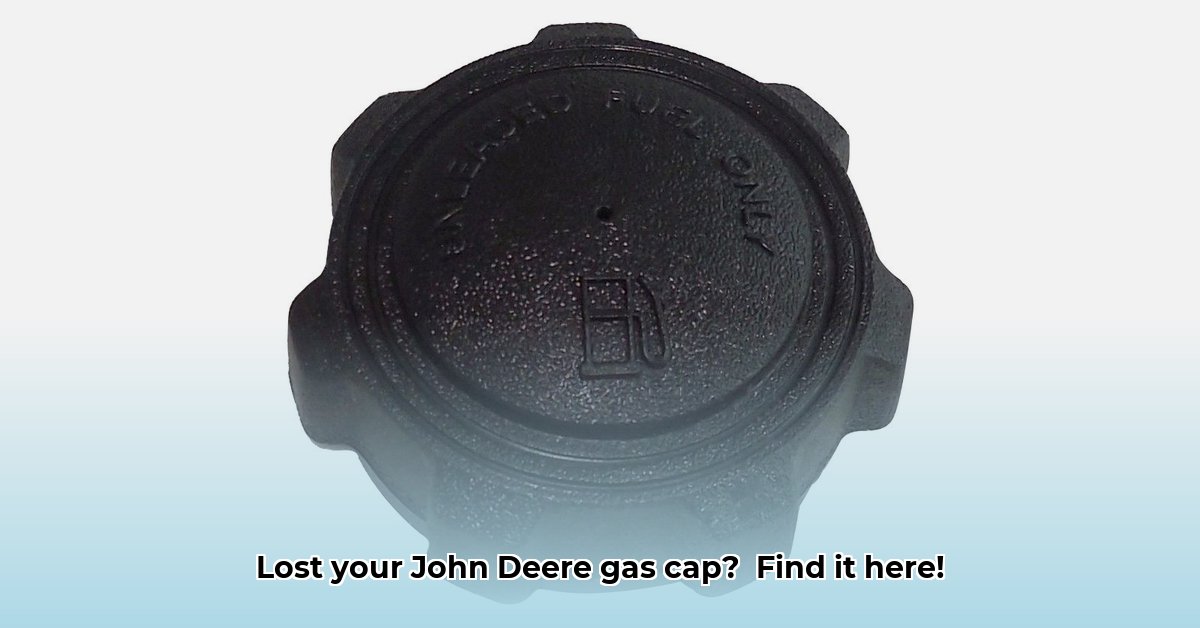
Finding the correct gas cap for your John Deere lawn tractor shouldn't be a complicated task, but unfortunately, the variety of part numbers and lack of clear cross-referencing can lead to confusion. This guide will provide you with the information and steps necessary to select the right gas cap for your specific model, ensuring a proper fit and preventing fuel leaks. For more detailed information on specific John Deere models, check out this helpful resource: John Deere X350 Info.
Understanding John Deere Gas Cap Part Numbers
John Deere utilizes various part numbers for its lawn tractor gas caps, including GX22166 and AM104032. These aren't interchangeable; each is designed for specific mower models. Using the wrong gas cap can result in leaks and potential damage to your machine. Therefore, precise identification is crucial.
John Deere Gas Cap Compatibility Chart
The following chart aids in identifying the correct gas cap for your John Deere (and potentially some other brands, as this can vary depending on cross-compatibility) model. However, always cross-reference this information with your owner's manual for the most accurate and up-to-date compatibility data.
| Part Number | Compatible Models (Partial List - Verify with Your Owner's Manual) | Notes |
|---|---|---|
| GX22166 | Many 100 Series models (e.g., D100, D110, D140), and others. | This is a common part number. Check your owner's manual for confirmation. |
| AM104032 | Some 100 and 300 Series models (e.g., 110, 130, 140, 155), and others. | May also be compatible with certain Scotts and Sabre mowers. Verify compatibility with your manual. |
How to Identify Your Mower's Model Number
Before using the compatibility chart, you need your mower's model number. This unique identifier is essential for accurate part selection.
- Locate the Data Plate: The model number is typically found on a metal plate (data plate) located under the seat, near the engine, or on the frame of the mower.
- Record the Number: Carefully copy the model number, ensuring accuracy. This number is usually a combination of letters and numbers.
- Cross-Reference: Use the model number to find the correct gas cap in the compatibility chart or your owner's manual.
Finding the Correct Gas Cap
- Locate Model Number: Find your mower’s model number (see above).
- Consult the Chart: Refer to the compatibility chart above (or a more comprehensive list found in your owner’s manual or a John Deere dealer website).
- Match the Part Number: Identify the part number corresponding to your mower's model.
- Purchase the Gas Cap: Purchase the gas cap with the matching part number from a reputable source (John Deere dealer, online retailer, etc.).
OEM vs. Aftermarket Gas Caps: Which Should You Choose?
You have a choice between Original Equipment Manufacturer (OEM) gas caps and aftermarket alternatives.
- OEM (John Deere): Typically offer superior quality, guaranteed fit, and come with a warranty. However, they usually cost more.
- Aftermarket: More affordable options, but quality and fit can vary. Always check reviews before purchasing. Warranties are often limited or nonexistent.
Troubleshooting a Stuck Gas Cap
If your gas cap is stuck, try these steps:
- Lubrication: Apply a small amount of penetrating lubricant (like WD-40 or silicone spray) to the cap's threads. Allow it to sit for a few minutes before attempting to loosen.
- Gentle Twisting: Use even pressure to gently twist the cap counter-clockwise. Avoid excessive force to prevent damage.
- Debris Removal: Inspect the cap and threads for any debris that might be obstructing removal. Clean as needed.
- Seek Assistance: If the gas cap remains stuck, consult your owner's manual or contact a local repair shop for assistance.
Conclusion
Choosing the correct replacement gas cap is critical for the proper functioning and longevity of your John Deere lawn tractor. By carefully following these steps and using the compatibility chart and owner's manual, you can ensure a trouble-free fueling experience. Remember to always consult your owner’s manual for the most complete and accurate information.